
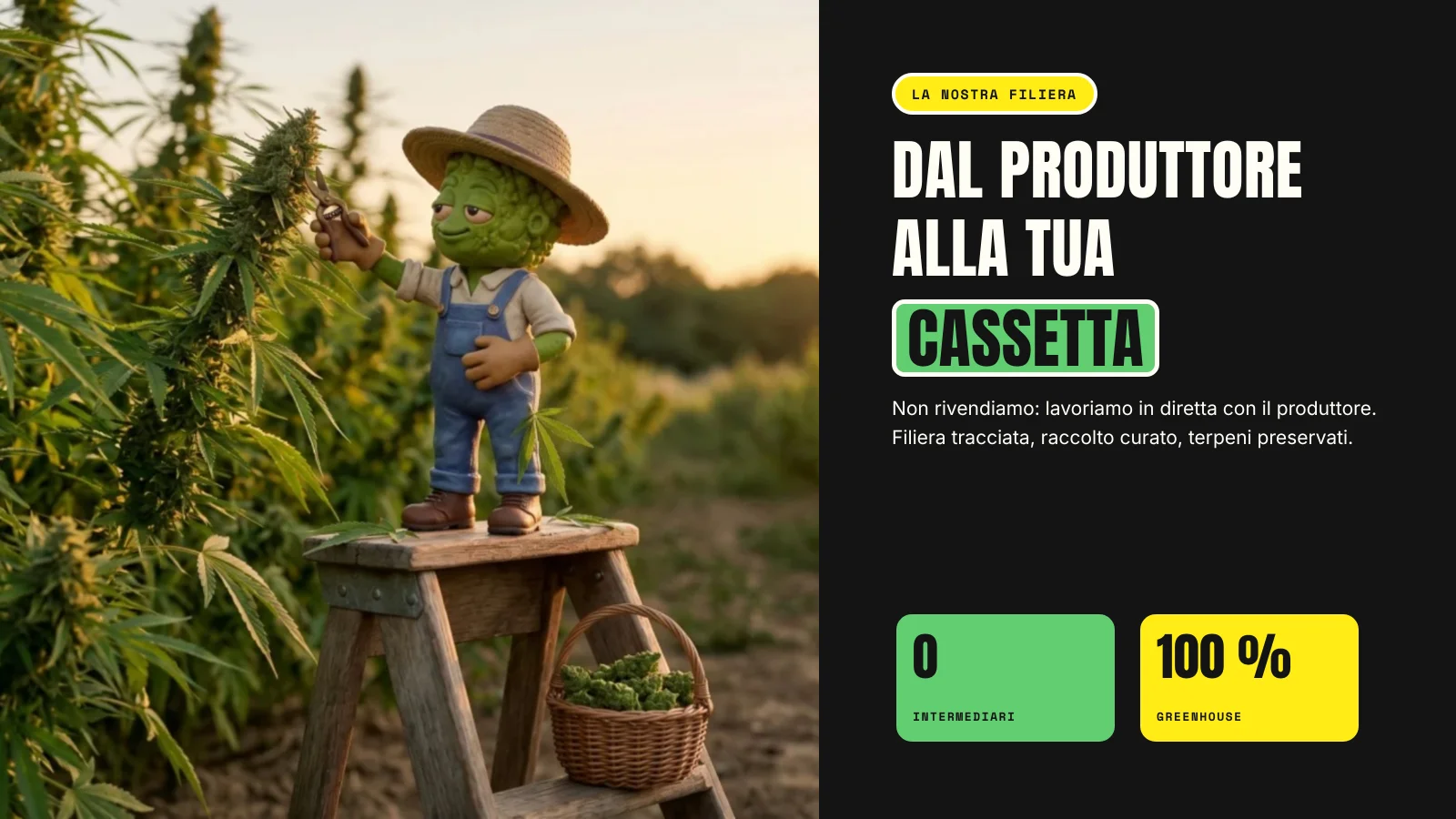
When someone says “I need an e-commerce” they're thinking about a catalogue and a cart. That's the easy part. The real work — and the real cost — lives around it: what you can sell and where, how you get found in multiple languages, and above all who lets you collect money.
What it costs, in brief
To give an honest ballpark:
- Basic e-commerce (template, few products, one market): roughly €3,000–8,000.
- Professional e-commerce (headless, multilingual, SEO, integrations): around €10,000–30,000.
- Custom platform (complex logic, multiple markets, automations): above €30,000.
BeBud sits in the mid-to-high range, and here's why — the four things that rightfully inflate the quote on a serious e-commerce.
1. Industry regulations (here: is CBD legal in Europe?)
Yes, with a few meaningful nuances. In 2020 the Court of Justice of the European Union (case C-663/18, the Kanavape ruling) established that CBD is not a narcotic, and that a member state cannot ban its sale without evidence of a health risk: the free movement of goods therefore applies. Hemp grown in the EU may contain up to 0.3% THC in the plant.
Then food regulations come in and things get complicated. Ingestible CBD is classified as a novel food: the EFSA has not yet approved any application, and in 2025 stated it cannot confirm the safety of food-grade CBD while “data gaps” remain. In practice, oils and edibles live in a grey area that shifts from country to country. That's why the rules can't sit in a footnote — I built them directly into the catalogue.
- Products and claims calibrated for each market, with no therapeutic promises.
- THC below threshold and a traceable supply chain, displayed openly and verifiably.
- Per-country shipping: some destinations are excluded by default.
2. The architecture: why headless
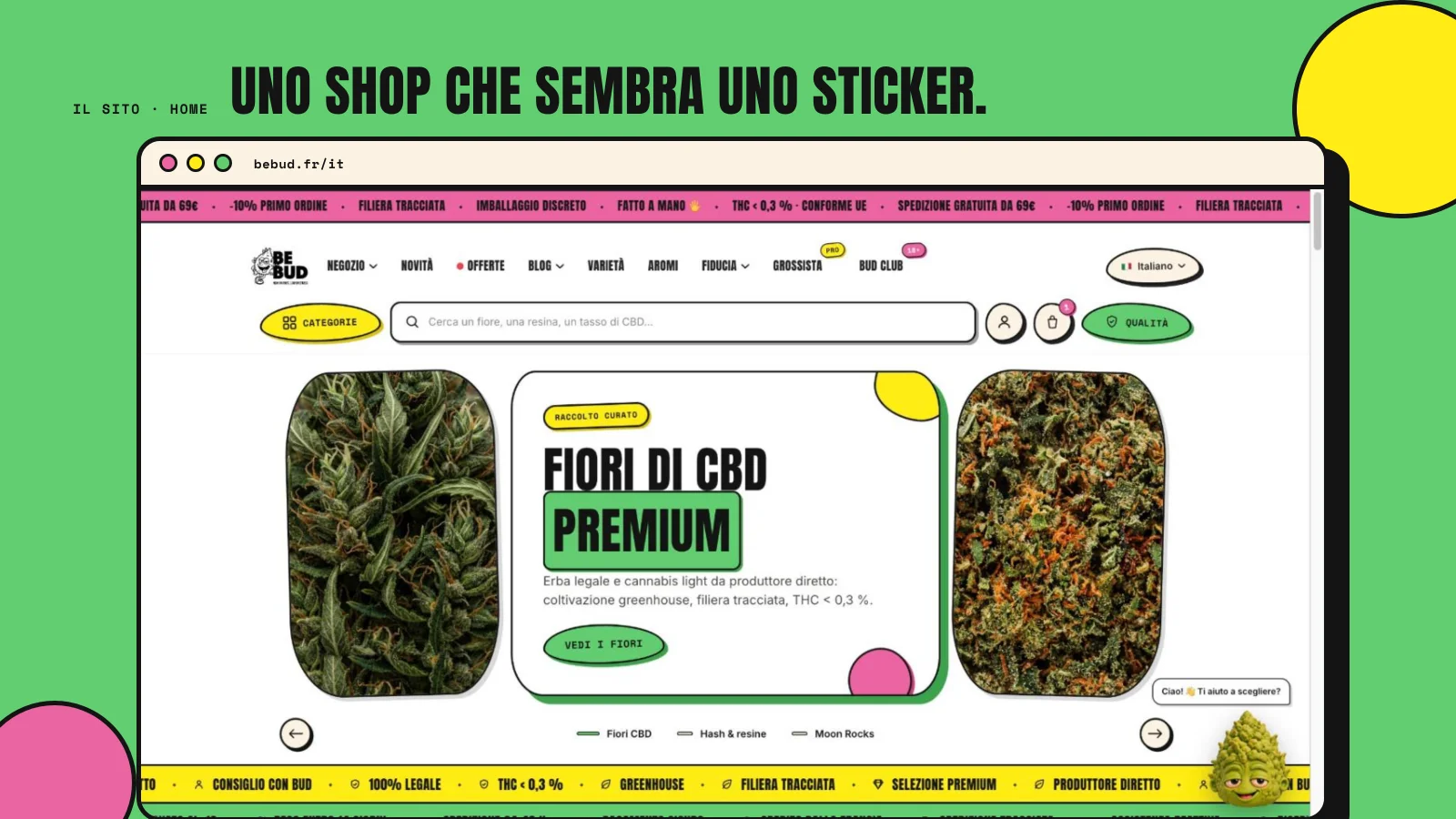
I built BeBud in Next.js on Vercel, with a headless architecture: the commerce engine (catalogue, cart, orders) is decoupled from the storefront the customer sees. I cared about two things that matter more than anything else in e-commerce. Speed — pages are static where they can be and dynamic only where they truly need to be. And the freedom to swap the payment provider or the shipping carrier without rebuilding the site — which, as we'll see, is not a minor detail for CBD.
It's the same “end-to-end” way of working I use elsewhere: another example is SammaPix, where I pushed all file processing into the browser. Different domain, same mindset: fewer unnecessary dependencies, more control.
3. Payments: the real bottleneck
This is where most CBD stores fall apart. The “easy” payment processors — Stripe, PayPal, Apple Pay, Google Pay — explicitly prohibit or restrict CBD and cannabis sales in their terms of service. If you build your business on top of them, you risk waking up to a frozen account with no warning. The answer isn't to hide it: it's to start with a payment provider that accepts the sector (specialist gateways like Worldline/CAWL) and design the checkout around their constraints. Deciding this before writing a single line of code prevented having to rebuild everything halfway through.
4. Multilingual: one language, one market
BeBud targets multiple European markets: France as the base, then Germany, Austria, Poland. Translating is not enough — in Google's eyes every language is its own site. That means dedicated URLs per language, hreflangtags to tell search engines which version to serve to whom, natively written copy rather than literal translations, and an internal search that understands local synonyms. The goal is to intercept someone searching “acheter CBD” in France and “CBD kaufen” in Germany with the right page — not the same page badly translated.
And GEO? Getting cited by AI
A growing share of searches now ends up inside ChatGPT, Google's AI Overviews, or Perplexity. GEO — generative engine optimization — is the craft of writing so that AI systems understand and cite you: clear answers, explicit questions in headings, data with sources attached, tight definitions. This article is written that way, not by accident. In a regulated sector like CBD, being the source an AI chooses to cite when someone asks “is CBD legal?” is worth more than ten display banners.
The assistant that acts as a sales rep
The last piece is an AI assistant inside the shop, behaving like a knowledgeable sales rep who's always available. It understands what you're looking for — “something to sleep better”, “a format to try for the first time” — and guides you to the right product while staying within permitted claims. For me this isn't a gimmick: it's the layer that removes friction and turns a visit into a purchase.
Three things I'm taking away from this
First: in a regulated sector, the rules come before the design. Catalogue, shipping, and payments are decisions made at the table, not on the fly. Second: headless is survival — being able to swap payment providers or enter a new market without rebuilding the site is what keeps the business standing. Third: real multilingual beats machine translation, and SEO and GEO should be done together — getting found by people and, at the same time, getting cited by AI.
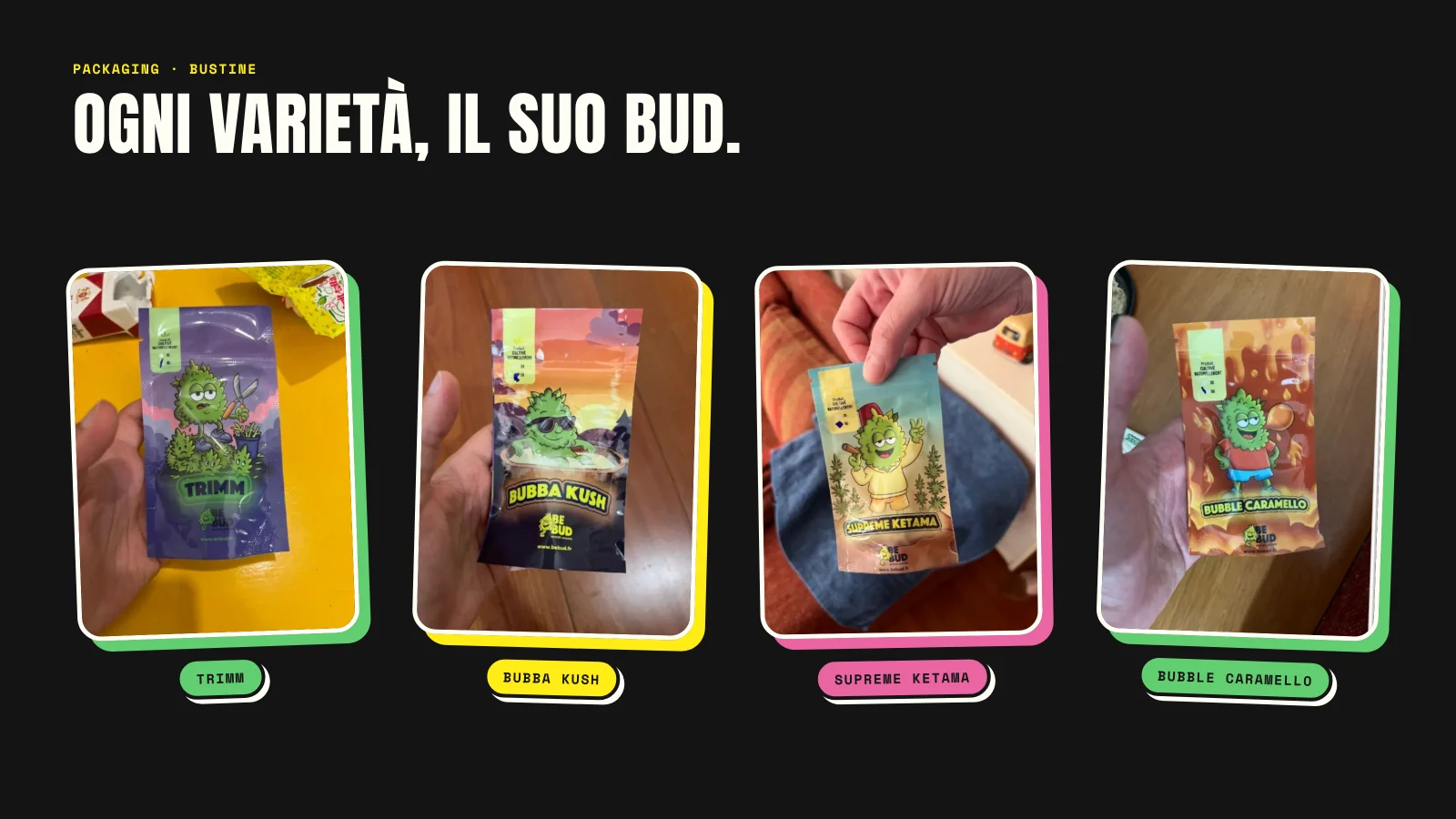
If you want to see how the brand and shop turned out, there's the full BeBud project, or browse the other work in the Lab.
See the BeBud project