
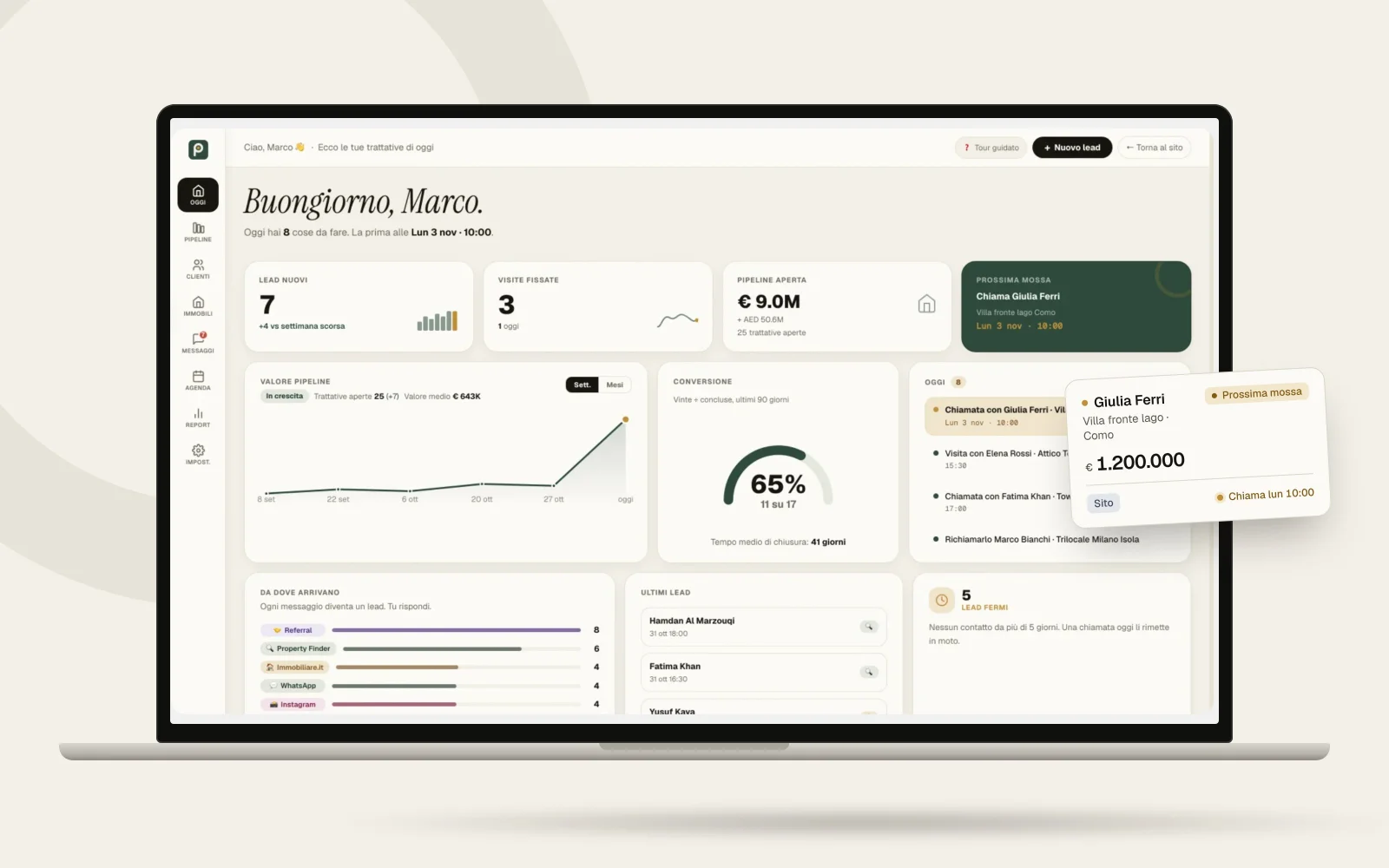
The first question is not “which CRM?” — it's “off-the-shelf or custom?”. A ready-made platform (TeamSystem, Zucchetti and the like) costs little upfront, starts immediately and works perfectly if you operate in a standard way. A custom CRM costs more but fits your process exactly. The simple rule: the more distinctive your sales process, the more an off-the-shelf tool will force you to bend around it — and when a tool doesn't bend to its users, people simply stop using it.
Why off-the-shelf software gets abandoned
This is not just an impression: according to industry data, roughly one in three salespeople spends more than an hour a day on data entry alone, and on average sales reps dedicate less than a third of their time to actual selling. The rest disappears into admin. A CRM that requires you to become a data-entry clerk just to function has already failed: people stop using it, and the data rots.
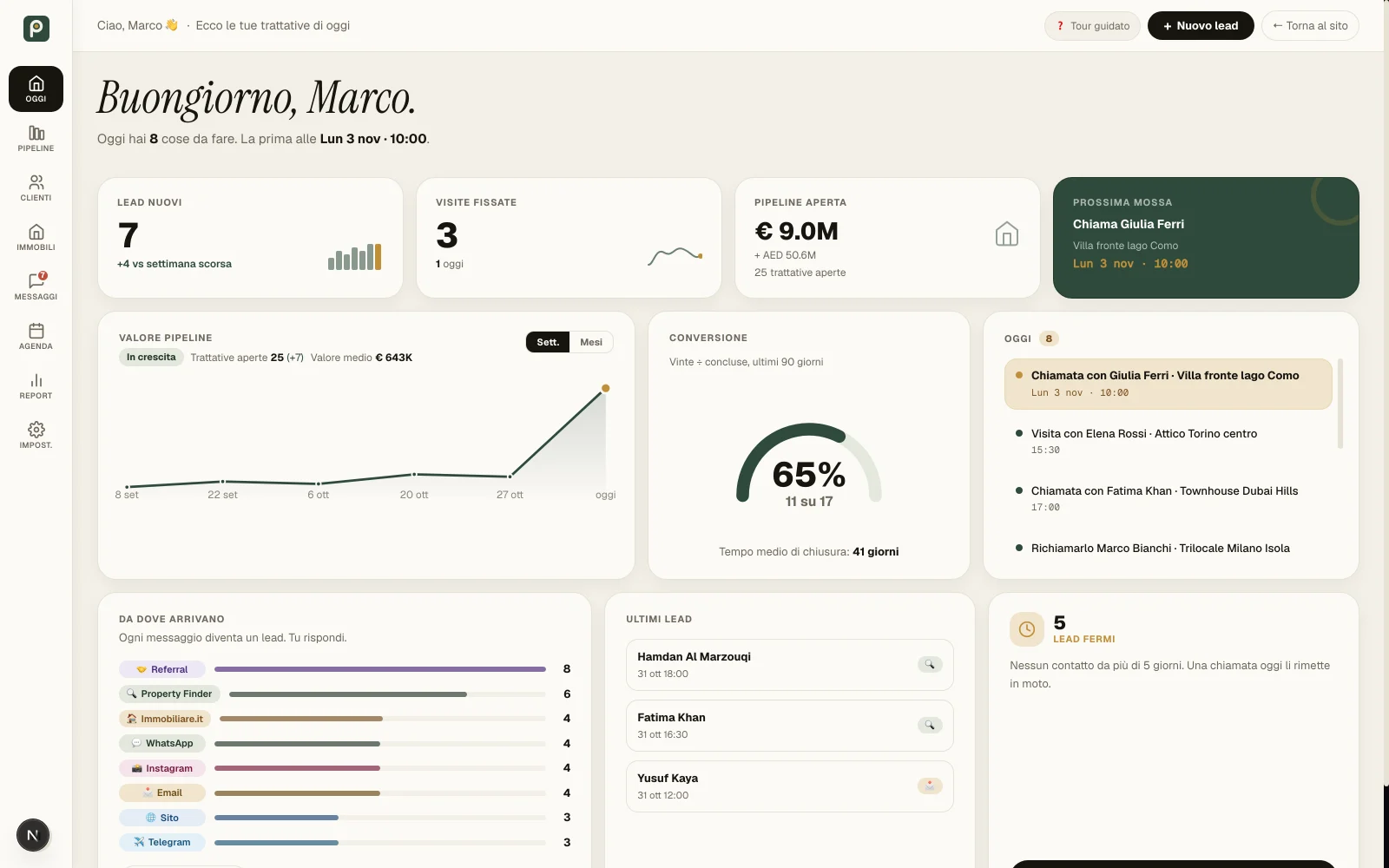
A CRM that shows only today
The opening screen is not a dashboard full of charts: it is a list of things to do today. Who to call, which deal is about to go cold, what is due. Everything else is one click away, but it does not jump at you on launch. Fewer fields, more decisions: the CRM works for you, not the other way around.
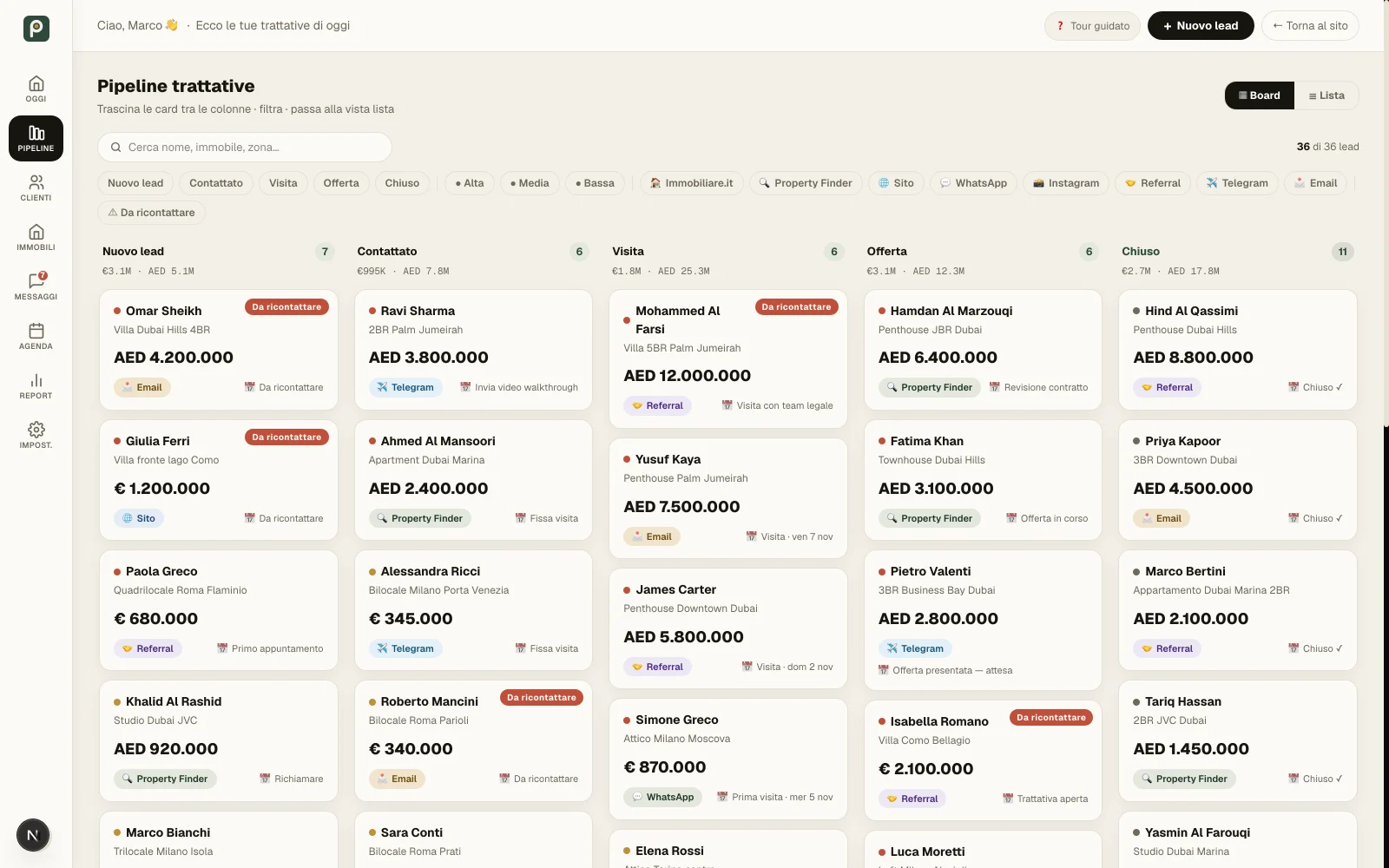
The automations that handle the boring work
What keeps a CRM alive are automations: follow-ups that fire on their own, reminders you won't forget, reports that compile themselves while you work. Built to measure in Next.js, Perno lifts the repetitive work off your shoulders and leaves only the decisions to the person. It is the same “whole product” thinking I applied when I built SammaPix: less friction, more substance.
What I learned building it
A CRM is won through subtraction. Every field removed is one more salesperson who actually uses it; every automation added is an hour given back to selling. Brand, product and data held together as a single system, not three disconnected tools. Simple on the outside, serious on the inside.
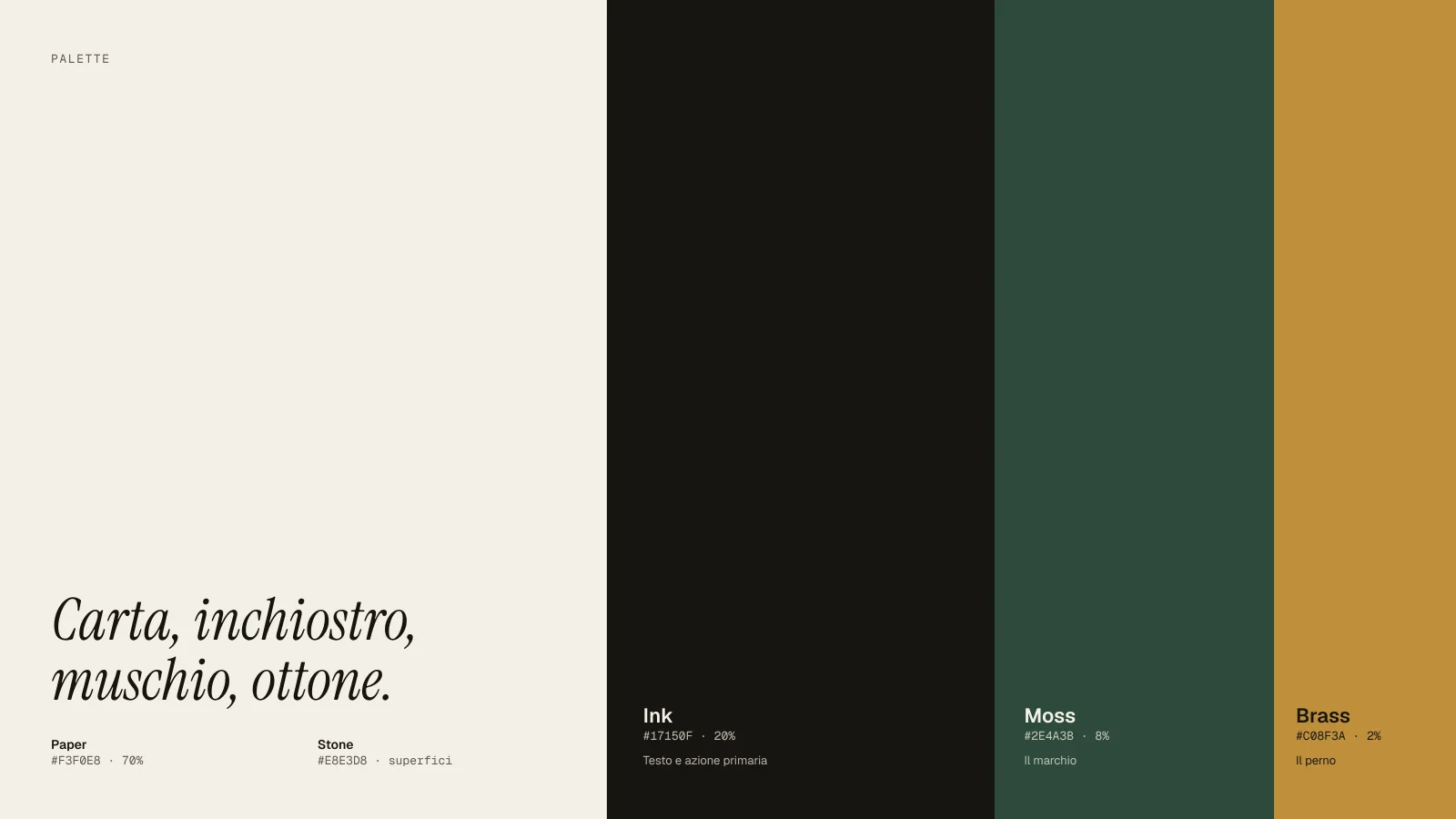
There is the full Perno project with the clickable demo, or the other work in the Lab.
See the Perno project